Guides, tactics and the stories behind the games
Long reads on how to play better, where these games come from, and how small games are made.
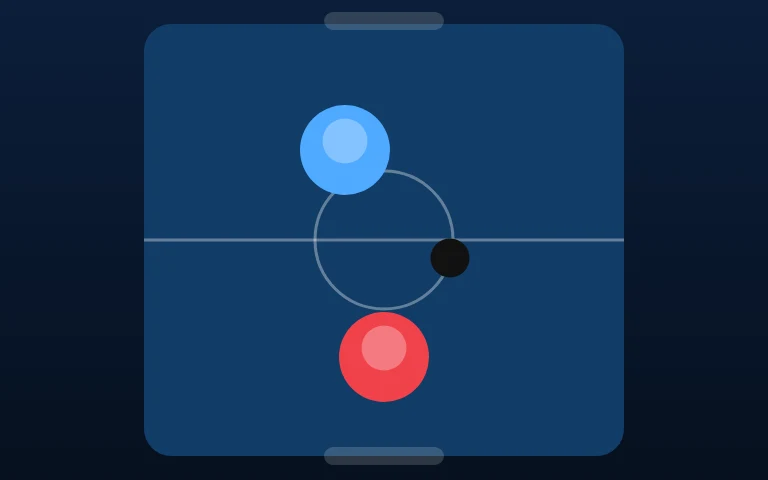
Air Hockey: hold the line, punish the counter
The AI hits hard on the break. Your job is not to out-swing it — it is to make its counters predictable.
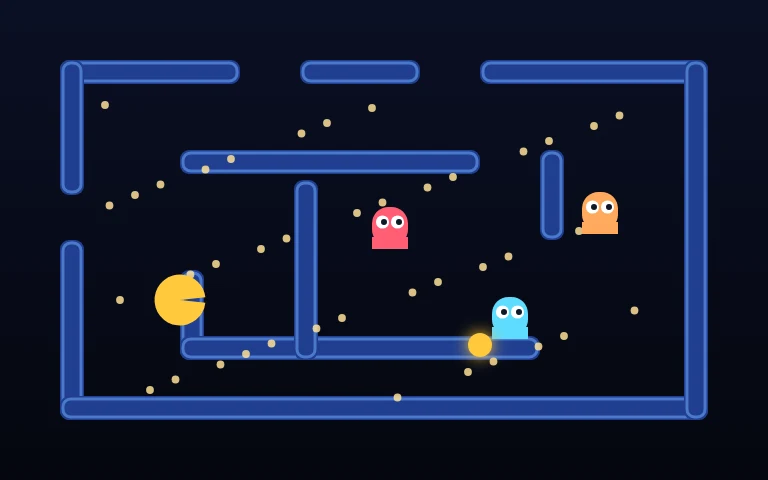
Chomp Maze: when to eat the power pellet (and when to leave it)
The pellet is not a rescue button. It is a clock you choose to start — and the best players start it on their own terms.
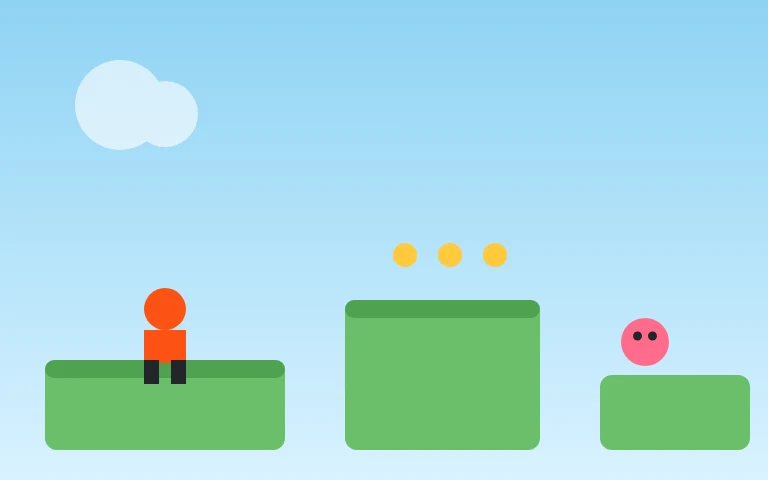
Rocky Run: three levels, four habits
A short hand-built platformer is not about reflexes. It is about which habits you built before the hard part arrives.

Stack Clash: the tower is a metronome
One tap, one block, faster every time. The only thing you can train is the tap that lands before you look.
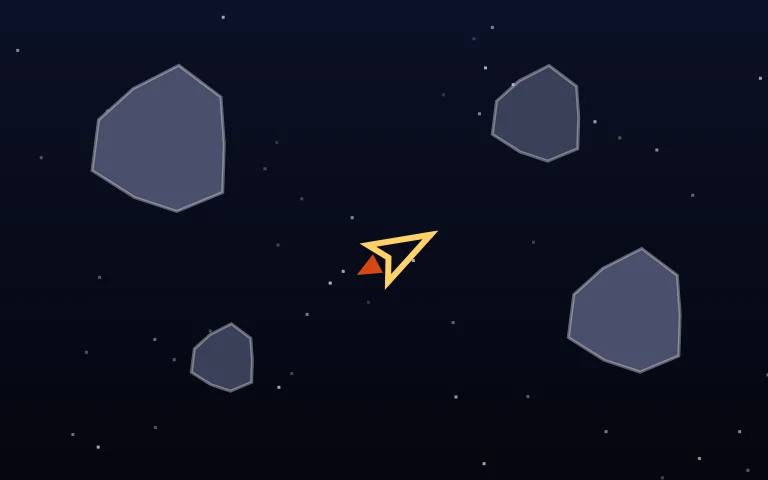
Asteroid Drift: the drift is the difficulty
Your ship never stops moving until you spend a second to stop it. Learning to spend that second is the whole skill.
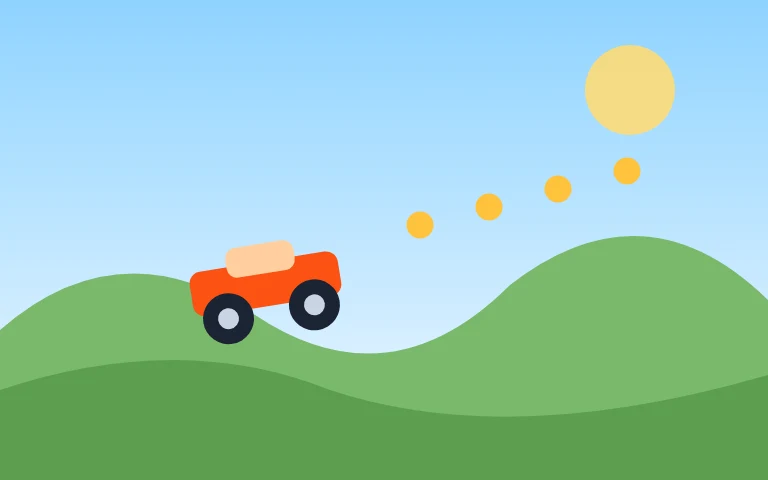
Hill Dash: feather the throttle, brake before the crest
Hand-made terrain, real momentum, and a fuel tank that punishes panic. The whole game is throttle discipline.
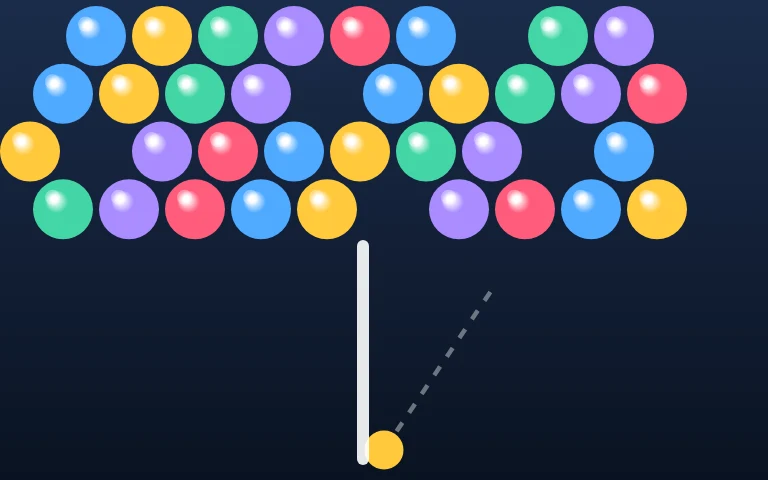
Bubble Shooter Pro: aim at the ceiling, not at the bubble
Ceiling drops punish every wasted shot twice. The players who survive them aim at structure, not at colour.
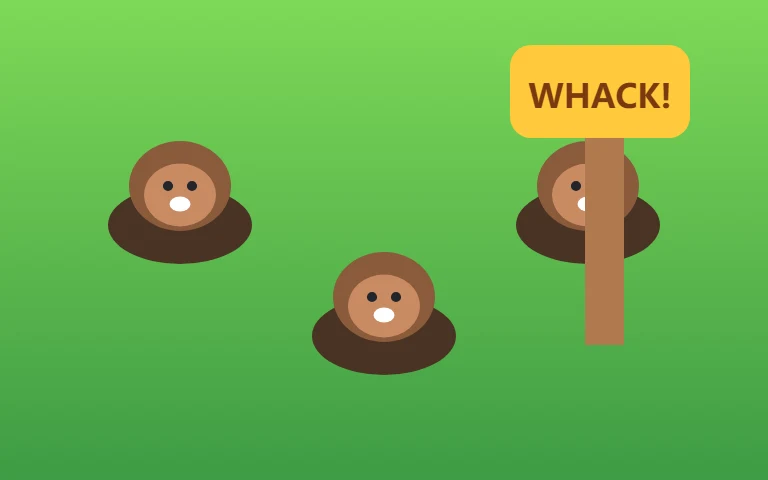
Mole Mayhem: scan, do not stare
Forty-five seconds, nine holes, and bombs mixed in. The eyes win this game, not the finger.
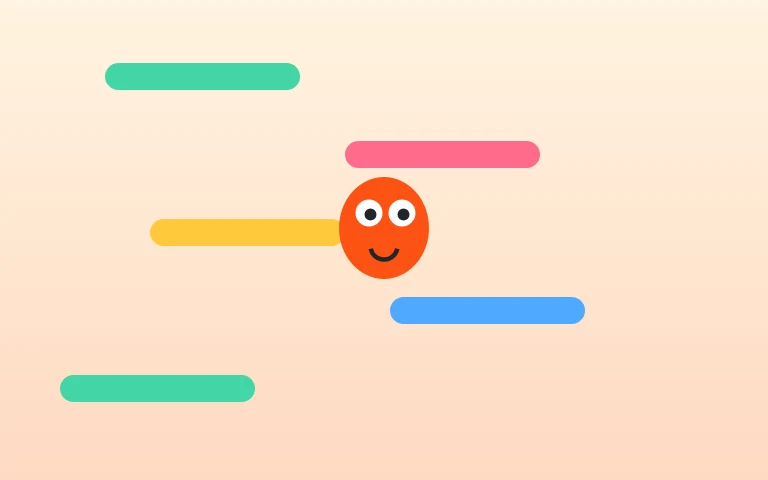
Tower Jump: steer before you land, not after
You only control direction, never the bounce. That single constraint changes when you should be pressing the arrow keys.
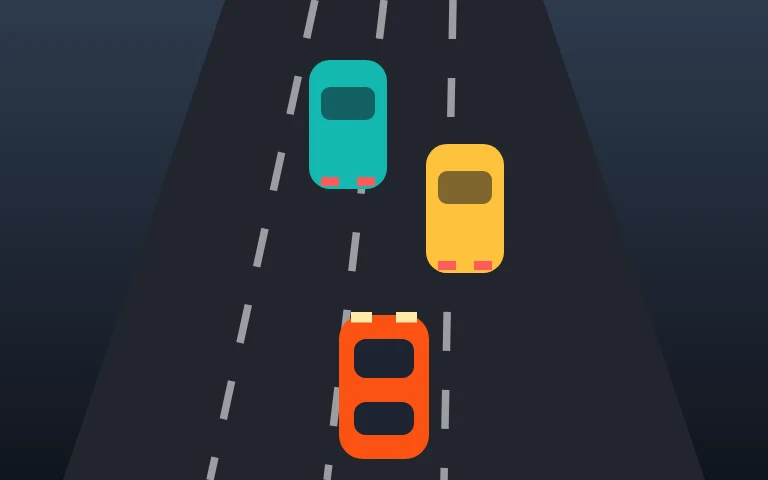
Traffic Rush: pick a lane and mean it
A four-lane dash with one-hit rules punishes lane-dancing. The safe players change lanes less than everyone else.
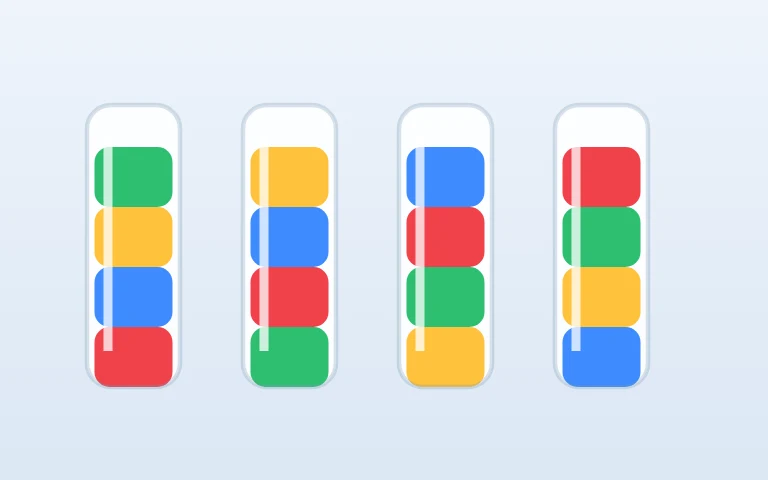
Water Sorts: the empty tube is the most expensive thing you own
Colour-sorting puzzles are lost by spending empty space too early. Here is the order of operations that keeps a board solvable.
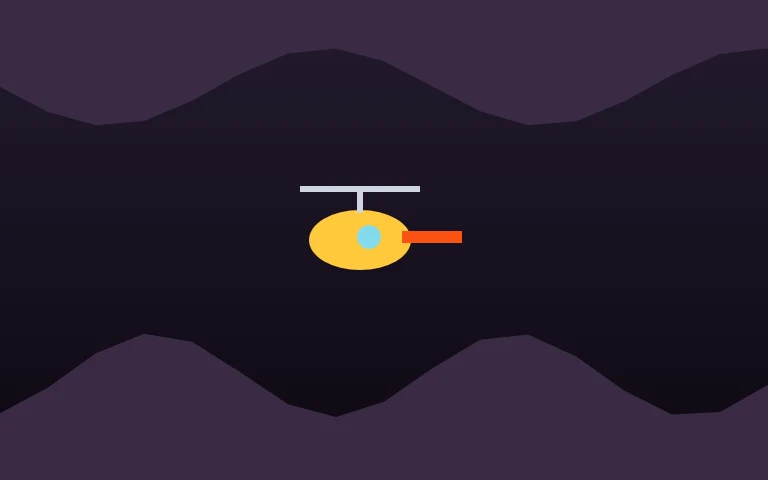
Cave Copter: learn to hover before you learn to fly
A one-button helicopter is a physics trick: holding is not up, releasing is not down — they are both the same hover, shifted.
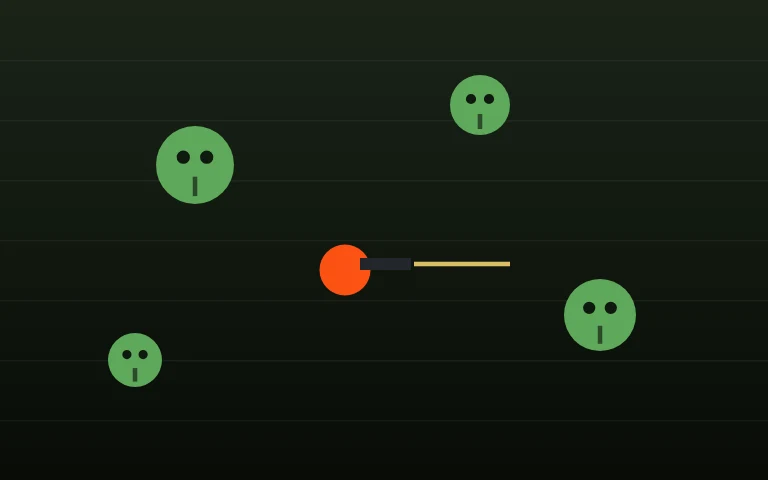
Zombie Wave: kiting, corners, and why you should never stop moving
Your pistol fires on its own. That means movement is your only real decision, and most deaths are a movement decision made two seconds too late.
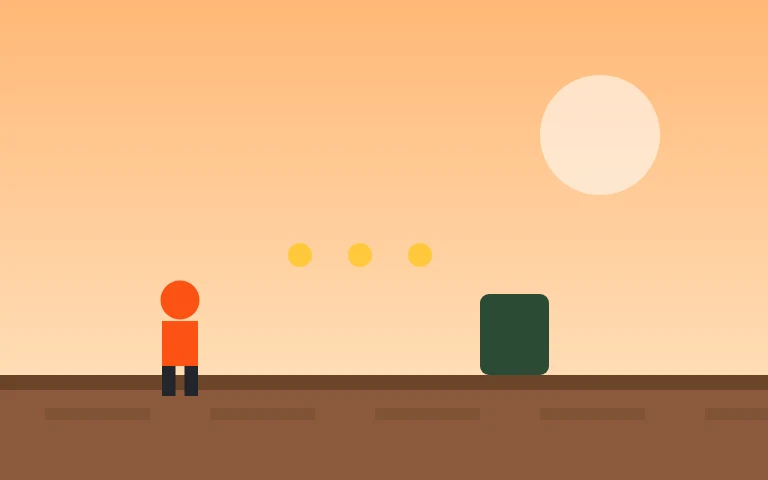
Street Runner: one hit, so jump less
In a one-hit runner the risky move is not the obstacle — it is the jump you take out of nerves.
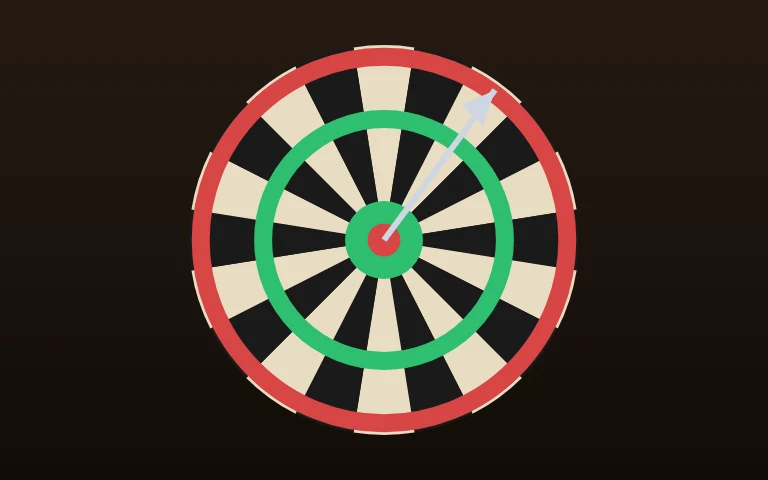
Darts: aim small, miss small
Three darts a round, a wobble on every throw, and a board that pays double for precision. The scoring is a lesson in expected value.
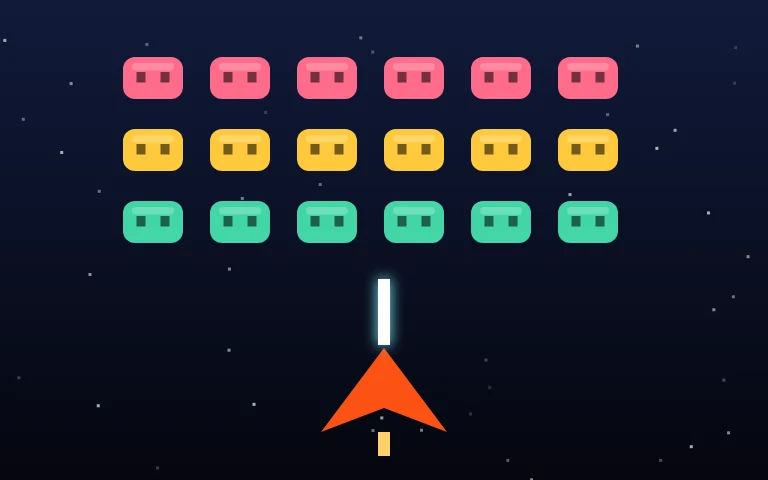
Space Raiders: shoot the gap, not the alien
The formation is the enemy, not the individual ships. Break the shape and the wave collapses on its own.
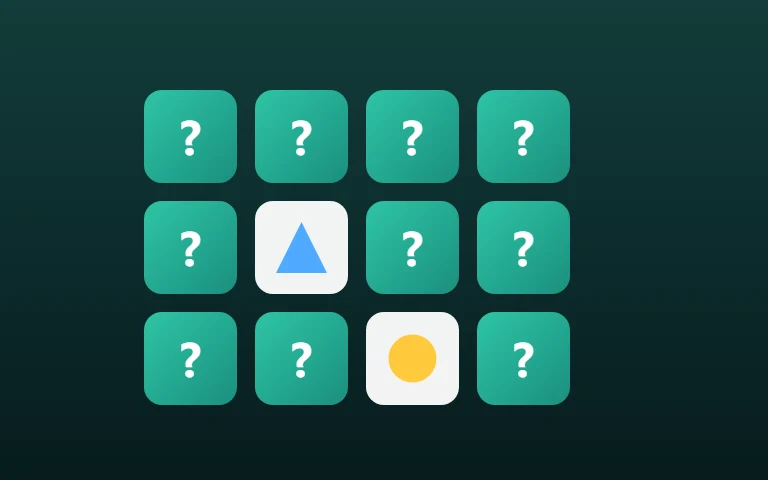
Brain Puzzle: remember positions, not cards
Memory pairs is not a memory test — it is a note-taking system that happens to run in your head.
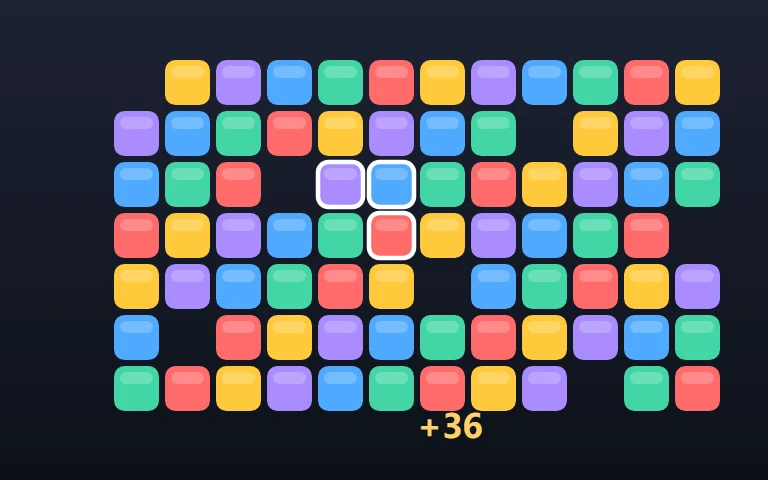
Remove Block: why one big group beats four small ones
Scoring grows with the square of the group, so the math rewards patience over tidiness. Here is how to farm it.
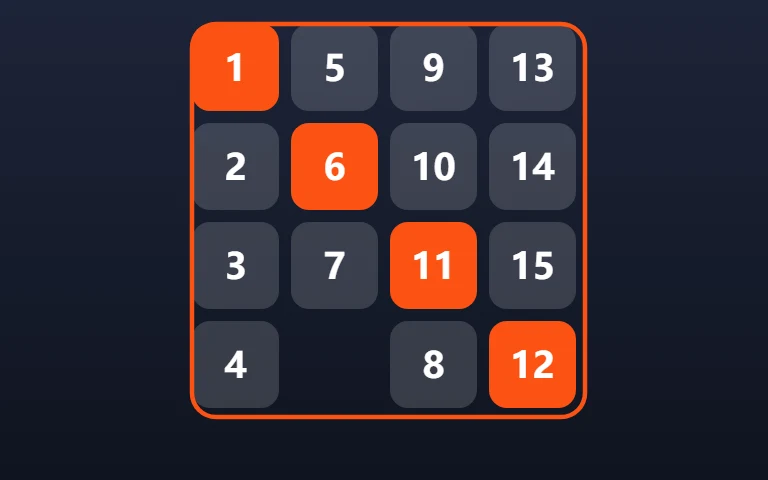
Slide Puzzle: solve it in rows, not in pieces
The fifteen puzzle punishes people who place tiles one by one. The method is top row, second row, then a final 2x2.
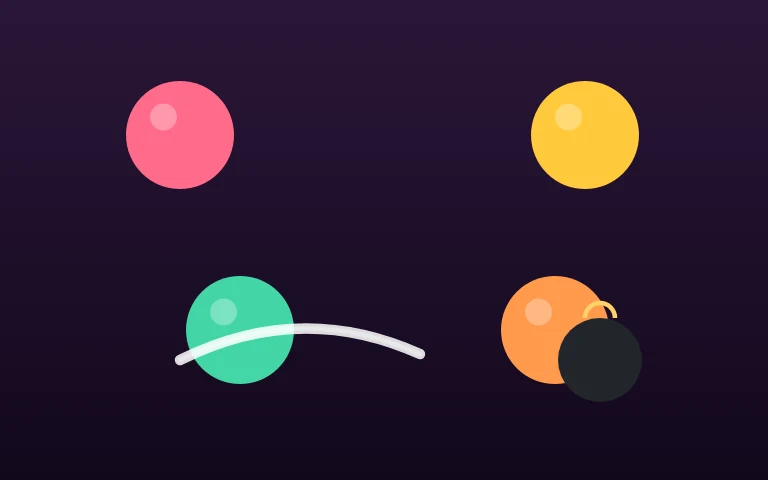
Fruit Slice: swipe through the arc, not at the fruit
Combos are scored per motion, not per fruit. That single rule changes how you should move your hand.
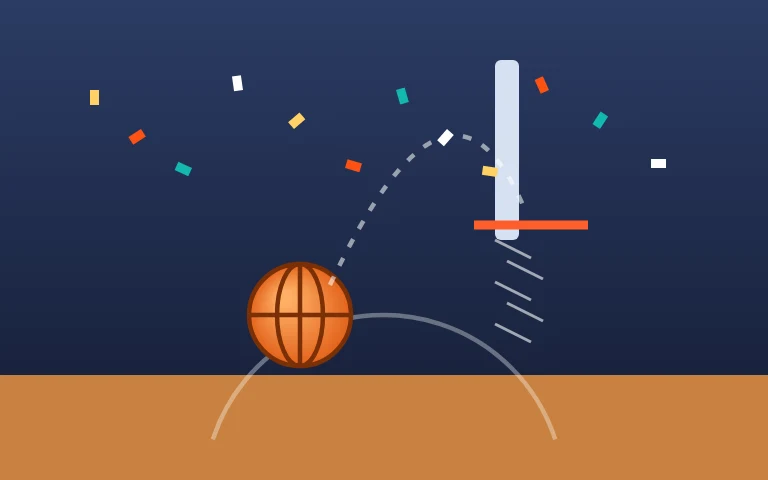
Shooting Hoops: 60 seconds, one flick, and a moving rim
A timed shoot-out rewards a repeatable release, not a hard shot. Build one arc you trust and reuse it.
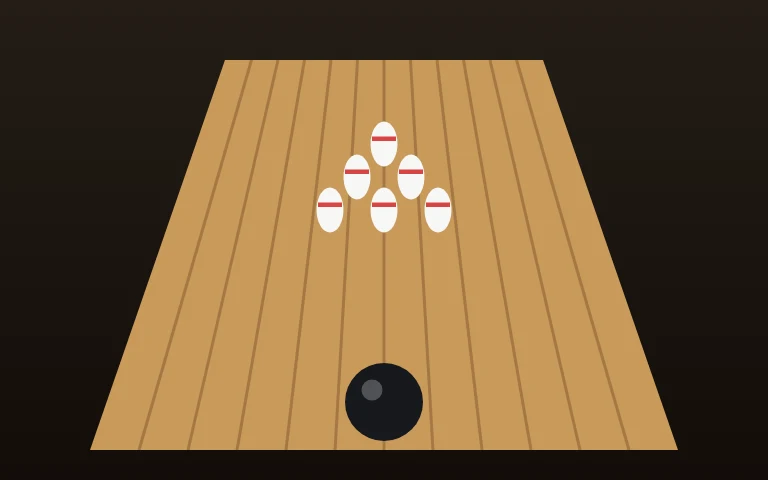
Bowling: straight balls before hooks
The drag sets angle and power at once, which means your release is your entire strategy. Ten pins reward the boring middle.
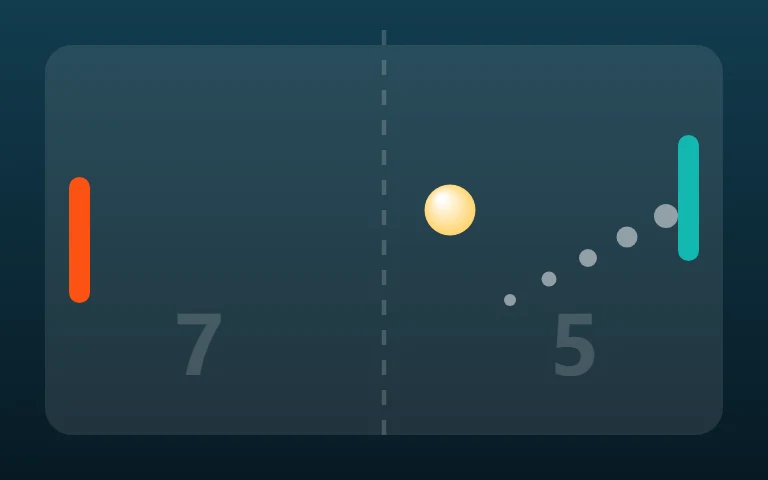
Ping Pong Precision: hit with the edge, serve to the corners
First to seven means every point is a set point in miniature. Spin and placement beat power.
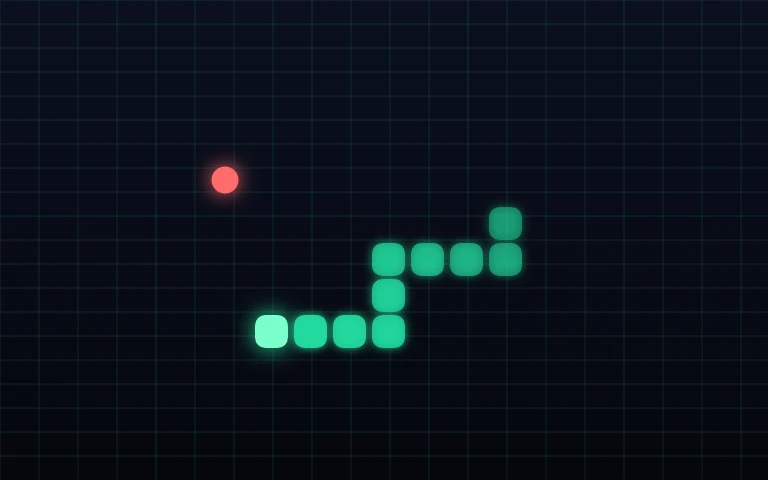
Neon Snake: own the edges, spend the middle
Snake deaths are almost never about the pellet in front of you. They are about the loop you failed to leave yourself.
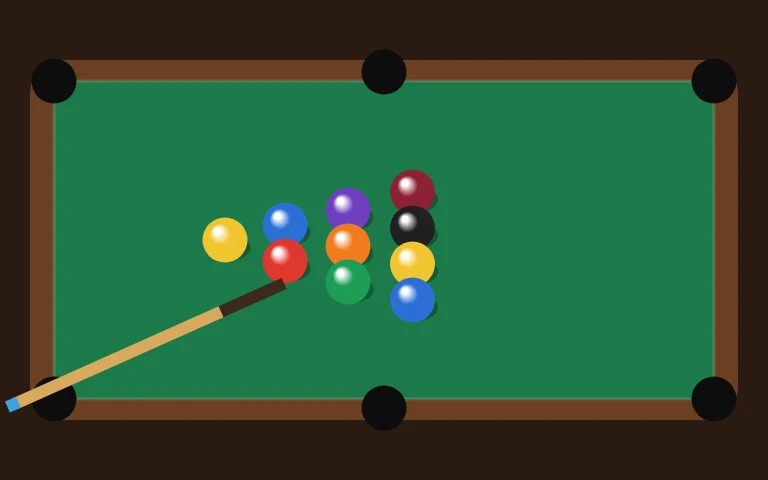
8 Ball Billiards: aim at the ghost, not the ball
Potting is geometry with one extra point most players never learn to see. Here is how to find it.
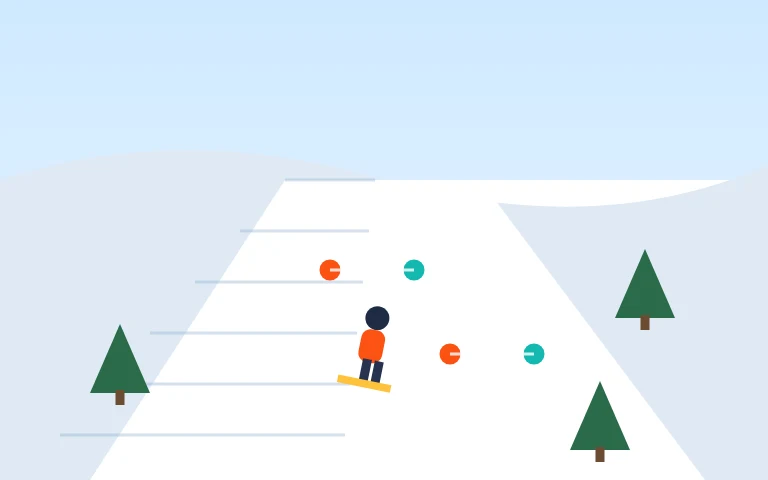
Ski Master: the flags are on your way, not your goal
An endless slalom pays you for threading gates and kills you for swerving. The fix is to ski a line, not a zigzag.
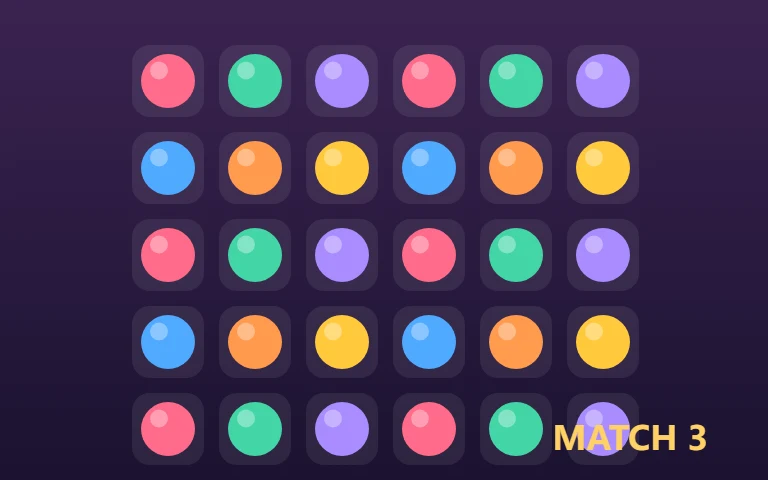
Gem Cascade: spending 24 moves like a planner
A limited-move match-3 is a budgeting problem. Cascades are the interest rate, and most players spend their budget in the wrong third of the board.
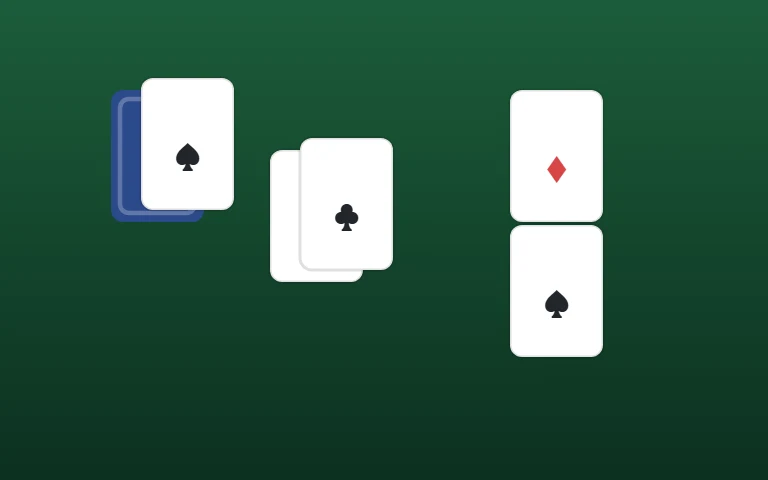
Klondike Solitaire: the column you empty is the move you get back
Solitaire is not luck management, it is space management. Empty columns and buried cards decide the game.
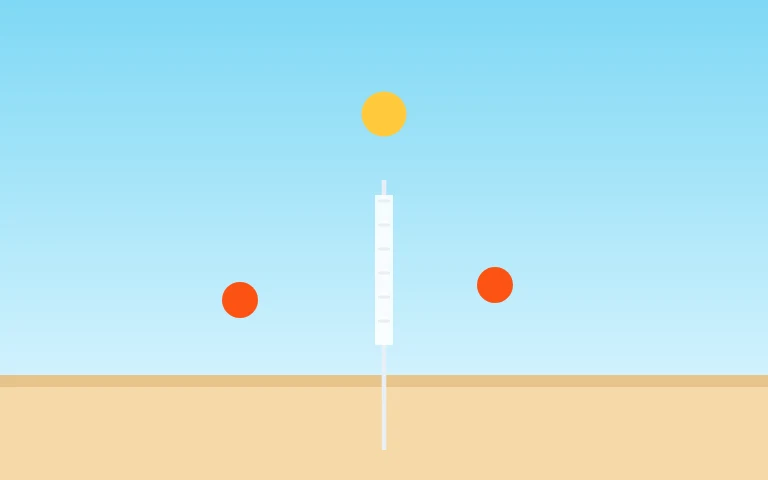
Beach Volleyball: where you stand decides the rally
You never choose the shot — your position chooses it for you. The closer you stand to the net, the flatter your returns fly.
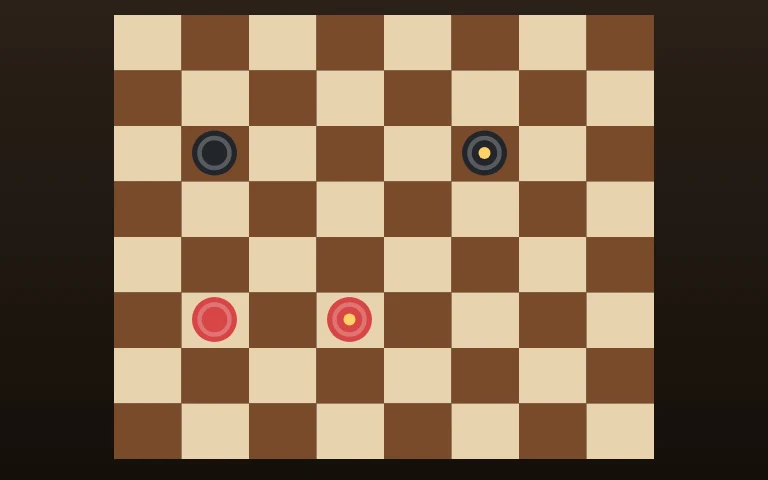
Checkers: count the exchange before you jump
Draughts is a trading game. The player who wins is the one who counts two moves further into each trade.
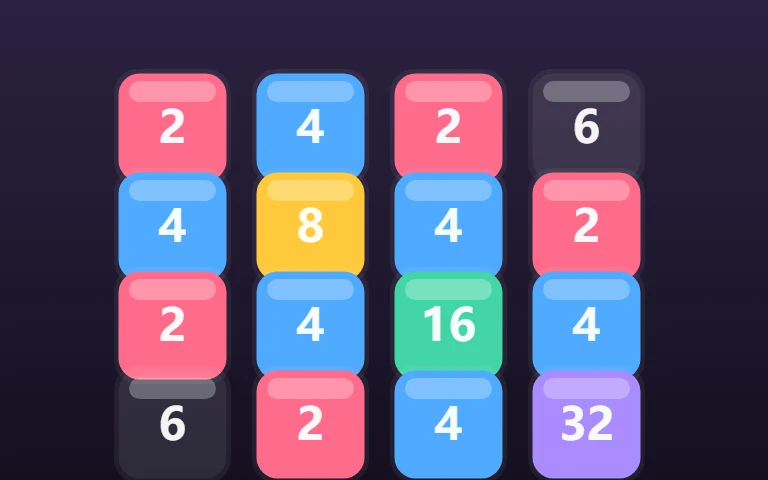
Merge Dice: the six is a bomb you are saving
Every die on the board is either a step toward a merge or clutter. The difference is whether you planned the number it will become.
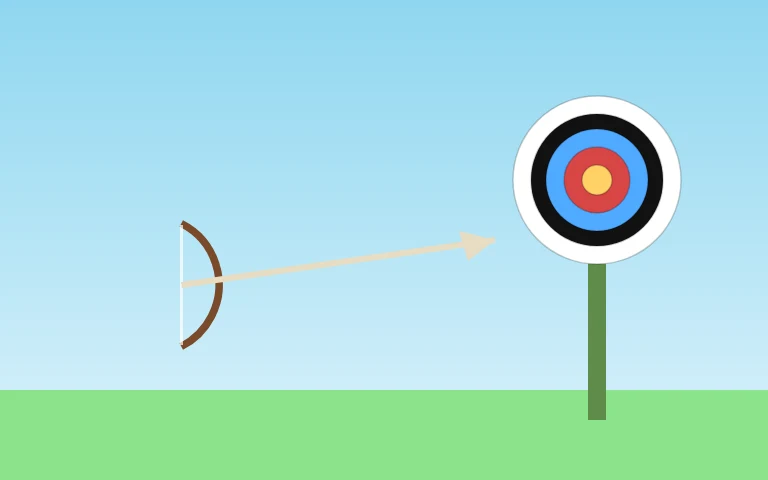
Archery: read the wind, then ignore the flag
Six arrows, a changing crosswind, and gravity that never takes a round off. Scoring is a calibration exercise.
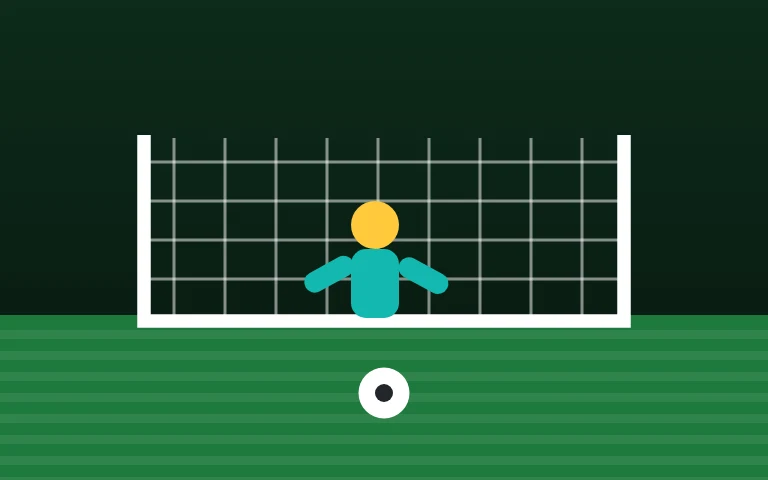
Football Champs: five penalties is a pattern game
Aim, power, and a keeper who reads you. Score more than the CPU by being boring in the right way.
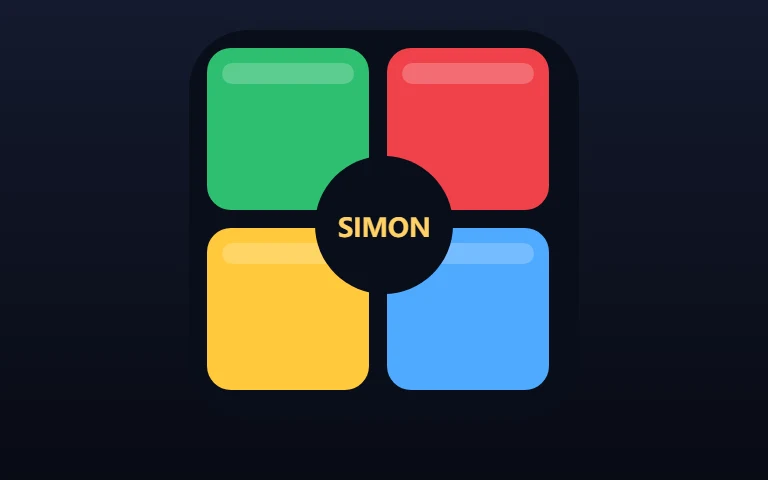
Simon Says: your memory holds seven; give it a shape
The sequence grows one pad per round. Raw repetition tops out around seven — chunking is how you get past it.
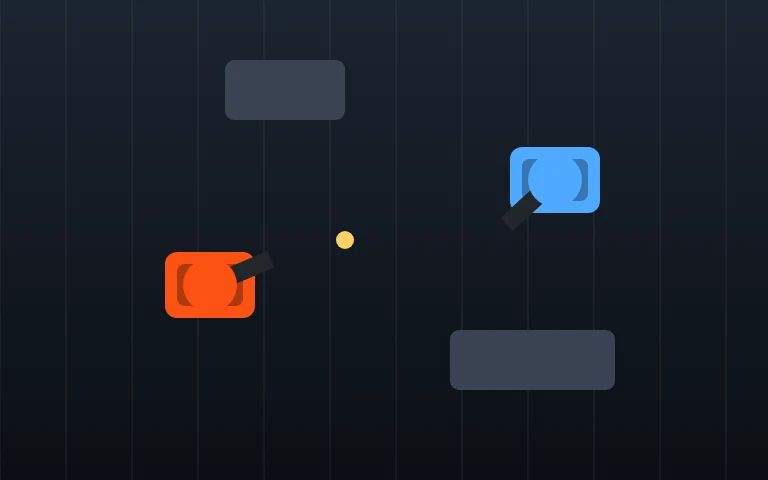
Tank Duel: a moving tank is hard to hit
Shells ricochet, health comes in quarters, and the turret follows your mouse. The game wants you to keep moving — so do it.
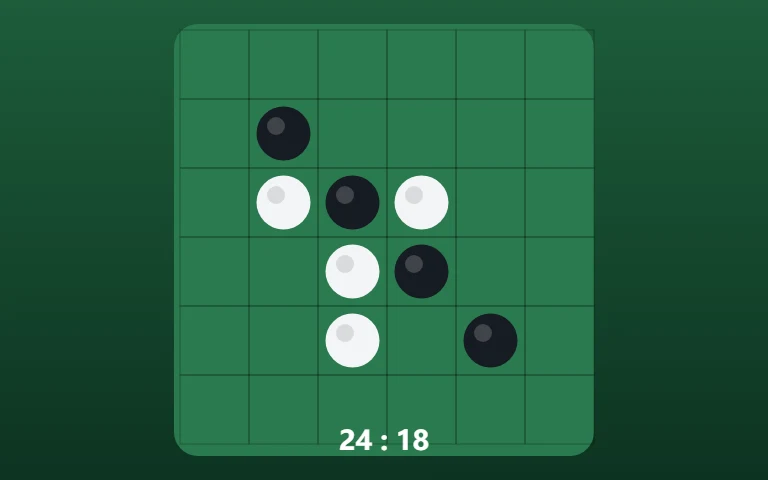
Reversi: the player with fewer discs is winning
Othello inverts every other board game: giving away discs is strength, taking them is risk. Corners decide everything.
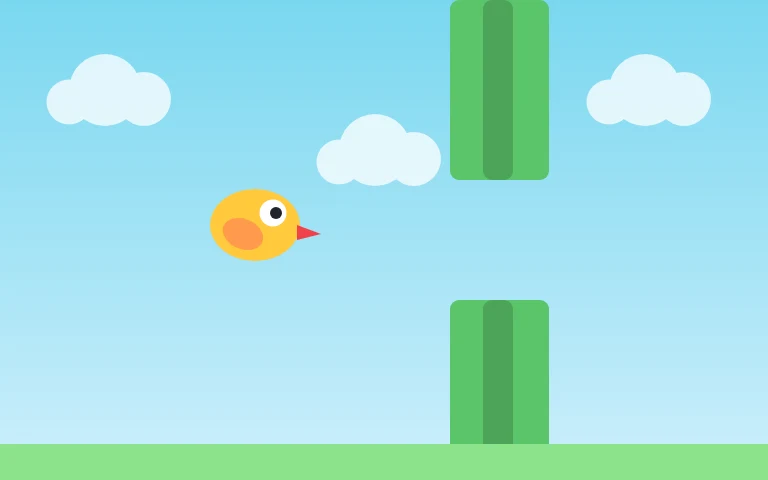
Sky Hopper: stop tapping, start counting
One-button games look like reflex tests. They are rhythm tests with a physics engine attached. Here is how to find your flap interval and keep it.
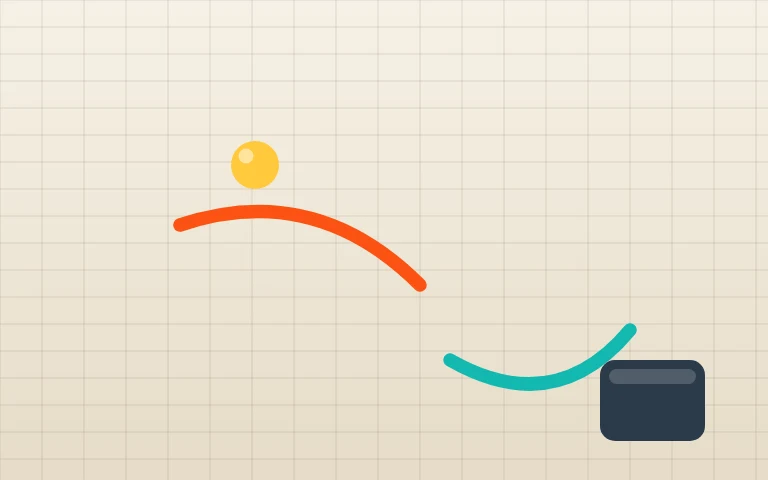
Draw Lines: spend ink on ramps, not decorations
A physics drawing puzzle with a limited ink budget. Every line you draw is a bet that gravity will do the boring work correctly.
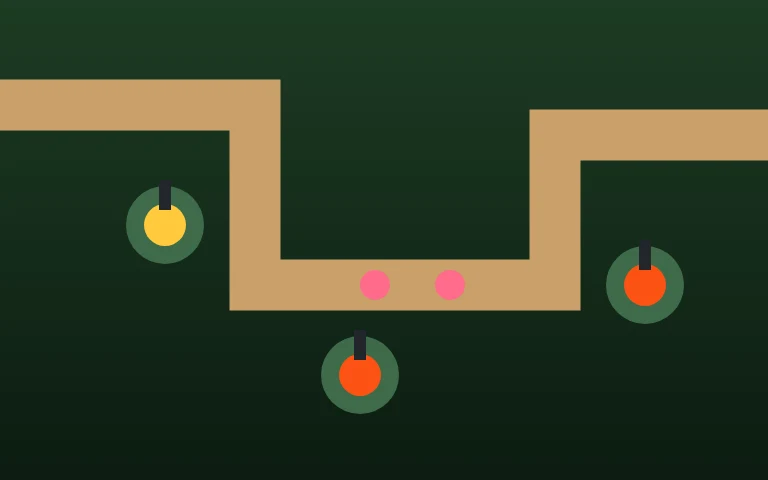
Tower Defense: surviving eight waves on a starting budget
Twenty lives, eight waves, one road. The waves are not the problem — the first ninety seconds of spending are.
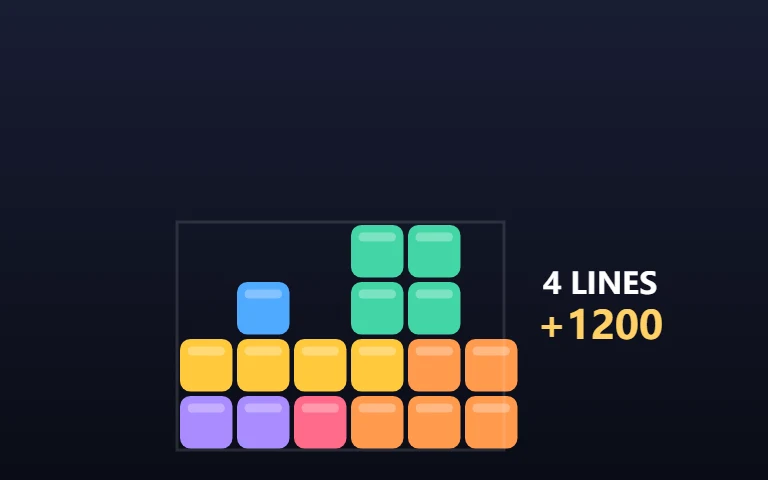
Block Cascade: how to stack so the board never gets dangerous
Falling-block games are not about speed, they are about keeping one column empty and one well flat. A practical stacking system for beginners and lapsed players.
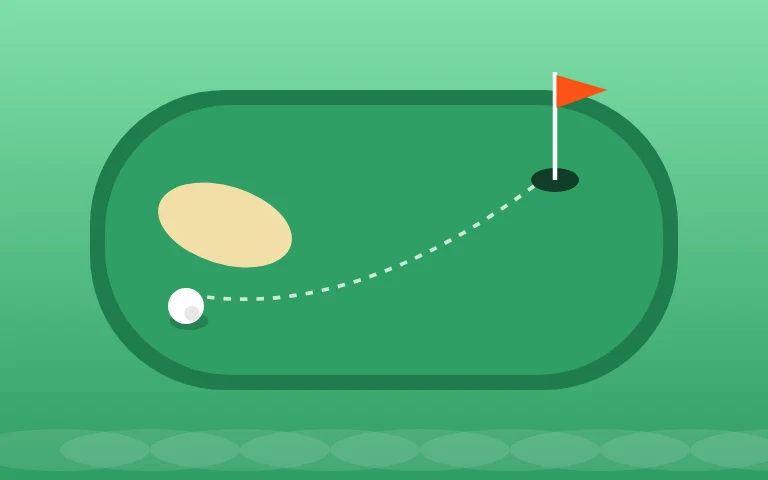
Golf Challenge: how to read a slope you cannot see
Three holes, one drag control, walls that bounce you backwards. Putting here is 20 percent power and 80 percent aim.
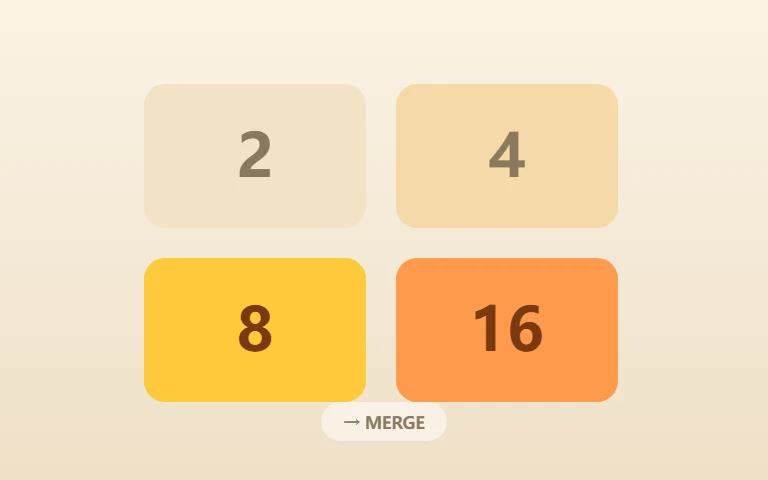
Merge 2048: the corner method that actually holds up
Most 2048 runs die in the same place: the board fills from the middle out. Here is the corner discipline that keeps a run alive past 2048.
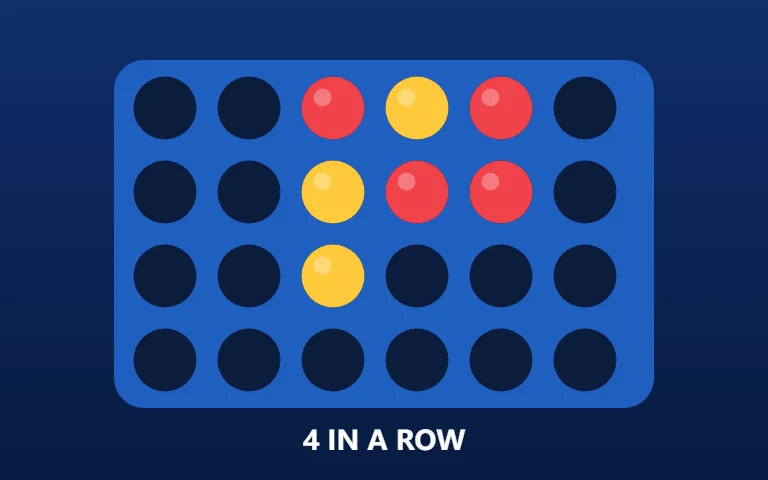
Connect Four: the centre column is a threat, not a habit
Dropping in the middle is good advice that stops being useful around move six. Here is what to do after both players know it.
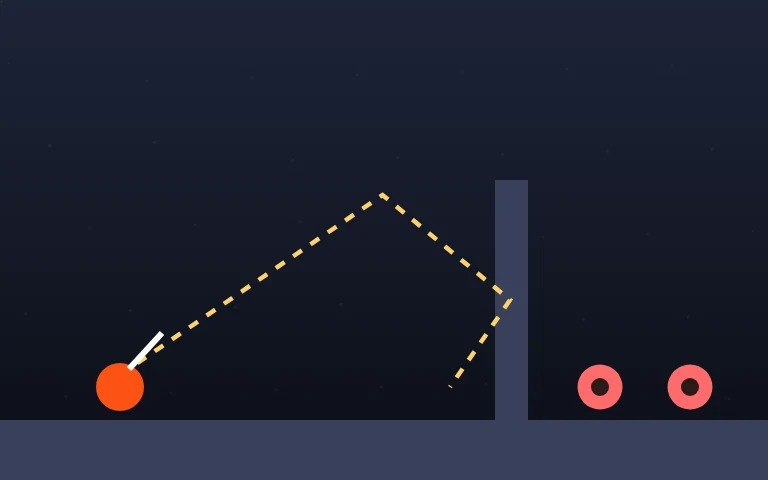
Bullet Bounce: aiming at the reflection, not the target
You get four walls per shot and a limited magazine. The whole game is geometry — and the geometry is easier than it looks.
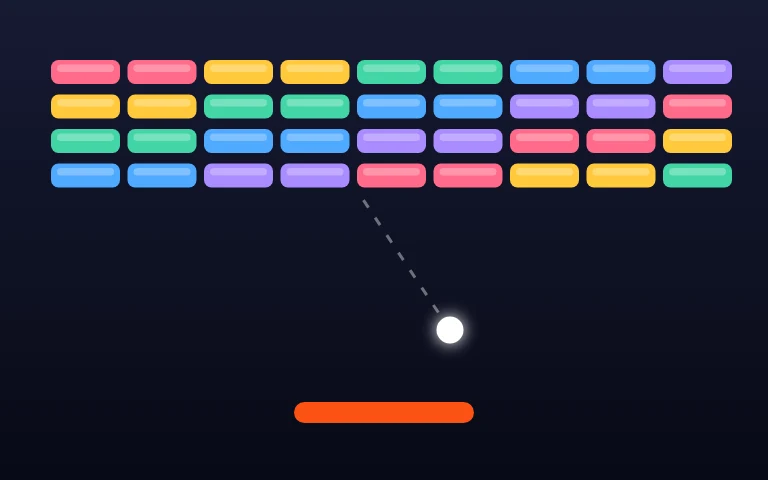
Brick Master: the paddle edge is a steering wheel
Where the ball hits the paddle matters more than where you move it. A short guide to angles, digging out, and the last brick.
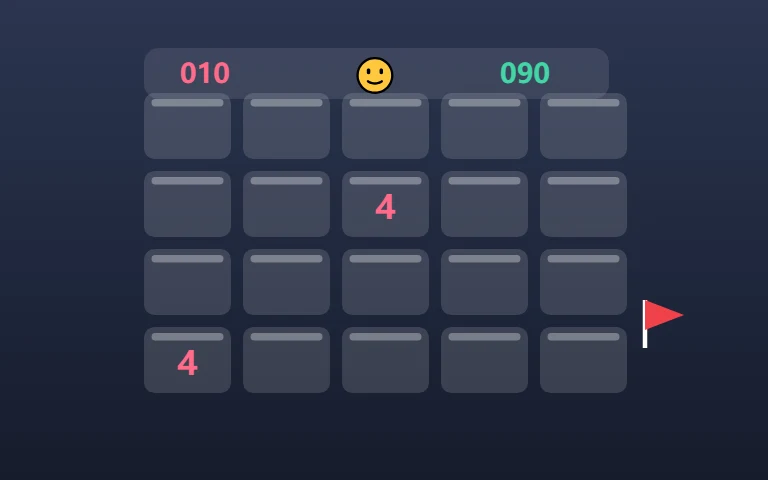
Minesweeper: the logic behind 1-2-1, and when to guess
Most players flag by feel and die to a guess. Three deduction patterns cover the majority of real boards — and knowing when a position is genuinely 50/50 saves you from tilting.
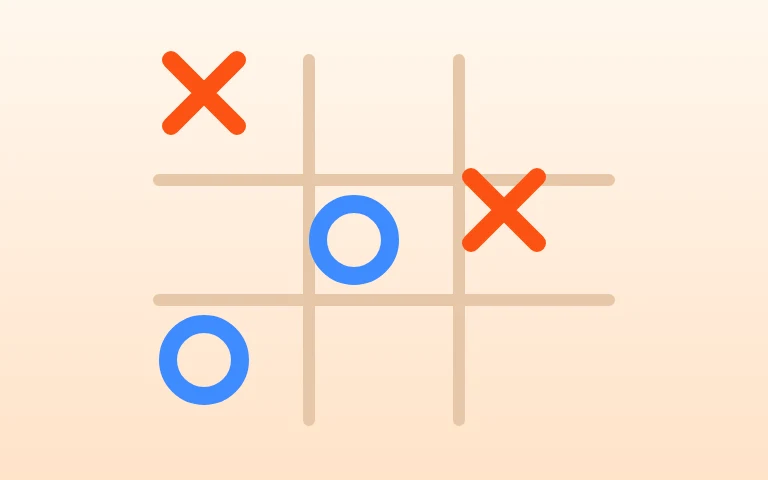
Tic Tac Toe: why a draw is the only honest result
The game is solved — by both sides. Once you know the three rules that matter, you stop losing and start hunting the one trap that still exists.